Every morning, hundreds of millions drink something that quietly lowers their blood sugar, eases pressure in their arteries, and feeds the bacteria keeping their gut in order. They just call it tea, coffee, or rye bread. The compounds doing the work are tannins, and they have been hiding in plain sight for decades, lumped in with 'antioxidants' and left at that. That shorthand undersells them badly.
Tannins are not a single thing. We will give a deeper research-based below, but here's a short and simpler one to start with. Tannins are a family of structurally distinct compounds that interact with human biology through at least half a dozen well-studied mechanisms. Some of which overlap with pharmaceutical drug targets.
Here are in simple terms the main beneficial impacts of tannins based on recent research:
For people living in Northern Europe, where metabolic disease is widespread, winter suppresses immune function for months (for example, Finland carries the world's highest rate of type 1 diabetes), understanding tannins goes beyond an academic exercise. It is a practical health advantage.
Both German and Finnish populations face elevated rates of cardiovascular disease and type 2 diabetes, [1] compounded in Finland by the world's highest incidence of type 1 diabetes [2] and months of sunlight deprivation that suppress immune function. Critically, both cultures already consume tannin-rich foods as staples, rye bread, berries, tea, and coffee, yet rarely leverage these compounds intentionally for health optimization.
This article synthesizes current evidence on tannin mechanisms, explores the types most relevant to German and Finnish diets, and provides practical, data-grounded recommendations for using tannins as a foundational element of preventive health.
Germany carries one of the highest metabolic disease burdens in Western Europe. A 2024 German health claims study found that 11.4% of the adult population had type 2 diabetes (T2D) in 2020. Among those with T2D, an alarming 53% also had cardiovascular disease (CVD). [3] Since 2014, the co-occurrence of obesity and CVD in diabetic Germans has increased by 2.7 percentage points, a trajectory that conventional pharmaceutical management alone has failed to reverse.
Regional disparities within Germany are also significant. [4] Eastern German regions, in particular, show cardiovascular mortality rates substantially above the national average. Suggesting that lifestyle and dietary factors, not just healthcare access, are driving outcomes.
The macronutrient profile of the traditional German diet, high in refined carbohydrates, processed meats, and saturated fats, creates the precise biochemical environment that destroys beta cells, promotes insulin resistance, and drives endothelial dysfunction. Tannins, working through multiple complementary pathways, directly counter each of these processes.
Finland has the world's highest incidence of type 1 diabetes. [2] Analysis of the Finnish Diabetes Registry covering 45,801 patients showed a standardized mortality ratio of 1.84 for type 1 diabetics versus the general population, nearly double the risk of premature death, primarily driven by cardiovascular and renal complications. [5]
Finland also confronts the dark season problem more acutely than almost any European nation. Between October and March, UVB radiation is insufficient to stimulate meaningful vitamin D synthesis in the skin. [6] Before Finland's landmark food fortification programme, only one third of the Finnish population had adequate vitamin D status. [7] Even today, experts warn that winter levels may fall far lower than officially reported, with one study finding 70% of Finnish school children deficient in winter. [8]
This matters for tannins because chronic vitamin D insufficiency and chronic inflammation share overlapping pathways. Both suppress immune regulation and increase autoimmune susceptibility. Tannins' anti-inflammatory and immune-modulating properties therefore offer a complementary, year-round tool that doesn't depend on sunlight.
Finland also has approximately 400,000 adults living with diabetes, representing a 6.9% age-standardised prevalence, with an estimated 18.8% of cases still undiagnosed. [9] Given that tannins work upstream of diagnosis by protecting beta cells and improving insulin sensitivity, they represent a meaningful preventive tool in a population where undiagnosed metabolic dysfunction is widespread.
Tannins are high-molecular-weight polyphenolic compounds produced by plants as a natural defence against insects, fungi, and herbivores. Chemically, they possess a unique capacity to bind and precipitate proteins, the property responsible for the characteristic dry, astringent sensation of strong tea or young red wine.
Far from being a uniform category, tannins split into three structurally and functionally distinct classes, each with different metabolic fates and health applications. [10] Understanding which type you are consuming is the difference between maximising benefit and getting little effect at all.
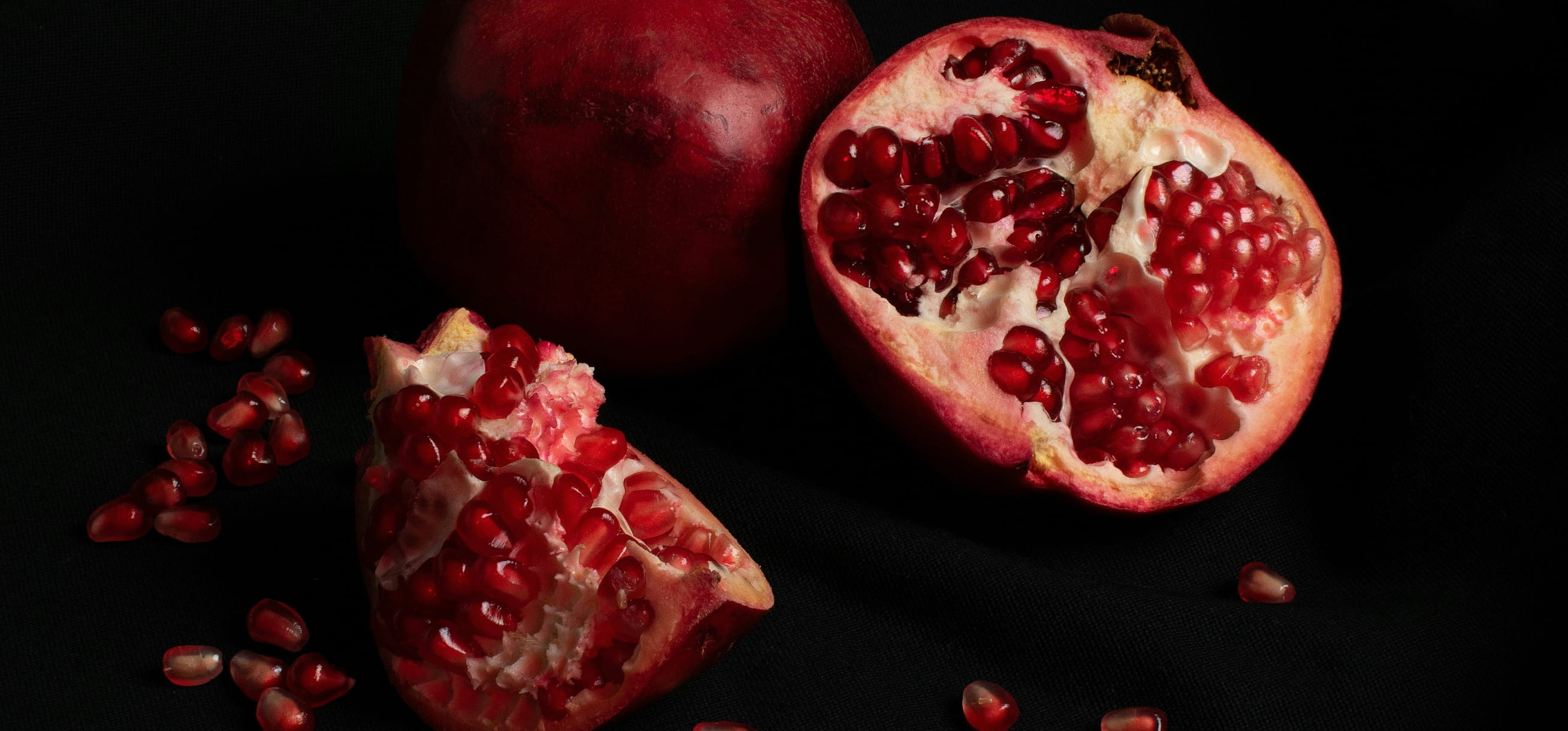
Found in pomegranate, oak-aged foods, walnuts, and chestnuts, hydrolyzable tannins break down in the gut into ellagic acid, which gut bacteria then convert into urolithins. Urolithin A is currently one of the most intensively researched longevity compounds in existence, shown in randomised human trials to improve muscle endurance and trigger mitophagy, the cellular process of removing damaged mitochondria. [11] The critical caveat: only approximately 40% of people possess the gut microbiome composition necessary for efficient urolithin conversion. The remaining 60% gain minimal benefit from ellagitannin-rich foods alone, making targeted supplementation or microbiome optimisation relevant.
Condensed tannins are polymers of flavan-3-ol units — catechin and epicatechin — linked by carbon-carbon bonds that resist hydrolysis. [10] Found in grape seeds, pine bark, dark chocolate, and berry skins, these are the tannins with the strongest documented cardiovascular and anti-biofilm effects. The commercially available supplement Pycnogenol (French maritime pine bark extract) is essentially a standardised condensed tannin preparation with over 40 clinical trials supporting its use for endothelial function, blood pressure, and glucose regulation.
Found exclusively in brown seaweeds and marine algae, phlorotannins have an entirely different chemical architecture from land-plant tannins. They demonstrate particularly potent anti-diabetic effects, inhibiting alpha-glucosidase more powerfully than many synthetic drugs, alongside neuroprotective and anti-inflammatory properties that are only now entering mainstream research. [12] In the context of both German and Finnish diets, where sea-vegetable consumption is low, phlorotannins represent a largely untapped opportunity.
Tannins do not work through a single mechanism. They function as systems-level modulators, intervening simultaneously at multiple points in the biochemical cascades underlying chronic disease. The following sections detail each mechanism with the precision required to understand why this matters.
The standard framing of polyphenols as 'antioxidants' is reductive and misses the most clinically significant mechanisms. While tannins do neutralise free radicals, their cardiovascular relevance goes deeper. [13]
Tannins, particularly EGCG from green tea and OPCs from grape seed, modulate nitric oxide (NO) bioavailability. Nitric oxide is the primary vasodilatory signal in the endothelium. By upregulating endothelial nitric oxide synthase (eNOS) and reducing its oxidative inactivation, tannins improve blood vessel elasticity and reduce resting blood pressure. [13] In a population where cardiovascular disease kills more Germans than any other single cause, [1] this mechanism operates precisely where it is most needed.
Equally important is their role in endothelial dysfunction, now recognised by many cardiologists as the earliest detectable stage of cardiovascular disease, occurring years before symptoms appear. Tannins reduce the adhesion molecule expression (ICAM-1, VCAM-1) that initiates the inflammatory cascade leading to atherosclerosis. [13]
Bacterial biofilms — structured communities enclosed in a polysaccharide matrix, represent one of the most clinically underappreciated problems in modern medicine. Bacteria in biofilms are up to 1,000 times more resistant to antibiotics than their free-floating counterparts. [14] Biofilms underlie chronic UTIs, persistent sinusitis, dental plaque, endocarditis on implanted devices, and are increasingly implicated in stubborn gut dysbiosis.
Condensed tannins act against biofilms through two complementary mechanisms: disruption of quorum sensing, the chemical communication that coordinates biofilm formation — and direct destabilisation of the polysaccharide matrix itself. [14] This is categorically different from how antibiotics work, and explains why tannins may succeed where antibiotics fail: they remove the bacteria's structural shield before attacking.
Tannins regulate blood glucose through at least four distinct mechanisms: (1) inhibition of alpha-amylase and alpha-glucosidase — the enzymes that convert carbohydrates into glucose — slowing post-meal glucose absorption; (2) improvement of insulin receptor signalling and GLUT4 transporter expression in muscle cells; (3) antioxidant protection of pancreatic beta cells, which have unusually weak innate antioxidant defences; and (4) modulation of the gut microbiome to increase short-chain fatty acid production, which improves systemic insulin sensitivity. [15]
The enzyme inhibition mechanism parallels that of Acarbose, a pharmaceutical anti-diabetic drug — but achieved through dietary means. For Finnish patients with the world's highest type 1 diabetes incidence, the beta cell protection pathway is particularly relevant, as reducing oxidative stress on the remaining functional beta cell mass may slow progression.
Tannins demonstrate anti-cancer activity at multiple stages of tumour development. Condensed tannins (proanthocyanidins) activate caspase enzymes and upregulate the tumour suppressor protein p53, reactivating the apoptotic pathways that cancer cells disable. [16] Ellagitannins and EGCG inhibit VEGF signalling, the pathway tumours use to build their own blood supply, effectively cutting off their nutrient source. Tannins also inhibit matrix metalloproteinases (MMPs), the enzymes cancer cells use to invade adjacent tissue and metastasise. [16]
It is important to acknowledge that the majority of anti-cancer evidence for tannins remains preclinical, derived from cell culture and animal models. Human intervention trials are limited. The mechanistic logic is sound, and tannin-derived compounds are actively being investigated as pharmaceutical candidates, but extrapolation to clinical cancer treatment is premature.
Tannins bind divalent metal ions, including lead, cadmium, and excess iron, forming insoluble complexes that reduce their intestinal absorption. [17] Iron overload, characterised by elevated serum ferritin, is more common than generally recognised and is associated with oxidative damage, cardiovascular disease, and increased susceptibility to bacterial infections (as iron is a key growth factor for pathogens). For men and post-menopausal women in Germany and Finland, where regular blood donation and menstruation do not serve as iron-clearing mechanisms, tannins provide a passive, dietary means of moderating iron accumulation.
EGCG, the primary catechin in green tea, crosses the blood-brain barrier and has demonstrated the ability to inhibit beta-amyloid aggregation and tau protein hyperphosphorylation, the two hallmark pathological processes in Alzheimer's disease, in laboratory models. [18] Some tannins also inhibit monoamine oxidase (MAO-A and MAO-B) enzymes, increasing synaptic levels of serotonin, dopamine, and norepinephrine, partially explaining the well-documented mood-stabilising effects of regular tea consumption. [18] In Nordic populations where seasonal affective disorder and depression prevalence rises sharply in winter months, this neurological dimension of tannins deserves greater clinical attention.
An important and often overlooked fact is that both German and Finnish dietary cultures already contain some of Europe's richest tannin sources — the challenge is not access, but intentionality and quantity. Below are the key sources relevant to each population.
German cuisine has several regionally distinctive tannin contributors that are often underappreciated:
Finnish food culture contains some of Europe's most potent wild tannin sources, though these are often consumed seasonally rather than year-round:
Key Insight: The Finnish Berry Advantage
Finland's wild berry ecosystem represents one of the most concentrated natural tannin pharmacies in the world. The challenge for Finnish health is not availability, it is year-round consistency. Most Finns consume berries intensively during summer harvest but not through winter. Frozen wild blueberries and lingonberries retain the vast majority of their polyphenol content and represent a year-round solution.
One of the most practically important findings in recent tannin research concerns urolithins, the bioactive metabolites produced when gut bacteria break down ellagitannins. Urolithin A has emerged as a uniquely powerful compound: it is the first dietary metabolite shown in a human randomised controlled trial to enhance mitophagy, the process by which cells clear out damaged mitochondria. [11] Dysfunctional mitochondria are implicated in muscle ageing, metabolic disease, neurodegenerative conditions, and chronic fatigue.
The critical complication is that urolithin production is entirely dependent on possessing specific gut bacteria, primarily members of the Gordonibacter and Ellagibacter genera. Population studies indicate that only around 40% of Western adults are efficient converters. The rest produce little or no urolithin regardless of how many pomegranates they eat. [11]
For German and Finnish individuals, the implications are practical: those who want the mitophagy and anti-aging benefits of urolithins cannot rely on ellagitannin-rich food alone. They should either work to optimise gut microbiome diversity (through fermented foods, prebiotic fibre, and tannins themselves as microbiome modulators) or consider Urolithin A supplementation, a commercially available form that bypasses the gut conversion step entirely.
Understanding tannin bioavailability is essential because many people consume tannin-rich foods and experience limited benefit, not due to the compounds being ineffective, but due to factors preventing adequate absorption and metabolic conversion.
The most frequently cited concern about tannins, their reduction of dietary iron absorption by up to 50-70% when consumed alongside iron-rich foods [17], deserves more nuanced analysis than it typically receives.
The concern is legitimate but applies primarily to specific populations: pre-menopausal women, children, and those already diagnosed with iron deficiency anaemia. For these groups, separating tannin-rich beverages from iron-containing meals by 1-2 hours is sufficient mitigation.
However, iron overload is significantly underdiagnosed in Northern European populations. Elevated serum ferritin, the primary marker of iron stores, is common in middle-aged and older men and post-menopausal women who lack the iron-clearing mechanism of regular blood loss. Elevated ferritin above 150-200 ng/mL is associated with oxidative damage, liver disease, cardiovascular disease, andcritically, provides an ideal growth environment for both bacteria and cancer cells. [17]
For individuals in this category, tannins' iron-chelating properties shift from liability to asset. Before adjusting tannin consumption based on iron concerns, we recommend checking serum ferritin levels, available through a standard blood panel, to understand which category you fall into. This kind of personalised biomarker-informed decision making is precisely what tools like the Aniva Health platform are designed to enable.
Tannins do not function in isolation. Several nutritional combinations produce additive or synergistic effects that substantially increase their health impact.
Tannins are among the safest dietary compounds in the human food supply, consumed by humans for hundreds of thousands of years at dietary levels. Nevertheless, specific situations warrant caution:
Important Cautions
Tannins operate through mechanisms that are measurable. Rather than taking supplements on faith, tracking relevant biomarkers before and after dietary changes provides objective evidence of effect.
Key biomarkers to monitor in the context of tannin-focused health optimisation, all testable through platforms like Aniva Health:
Tannins are not a new discovery. They have been woven into our food cultures for centuries in the form of rye bread, wild berries, coffee, and tea. What is new is our mechanistic understanding of precisely why these compounds matter, and the emerging evidence base that allows us to move beyond vague claims about 'antioxidants' toward specific, testable, quantifiable health benefits.
For the German population managing a metabolic disease epidemic, and for the Finnish population navigating the world's highest type 1 diabetes incidence alongside months of immune-suppressing darkness, tannins offer a rare dietary category that is simultaneously anti-inflammatory, vasoprotective, blood-sugar-regulating, microbiome-supportive, and neuroprotective. All from foods already present in both cultures.
The most actionable insight from this review is simple: the foods are already there. The science is there. What is missing is the intention from the public. Understanding which compounds you are consuming, whether your gut is converting them effectively, and whether your biomarkers confirm that your approach is working.
This is exactly the gap that personalised, biomarker-driven health optimisation, the kind offered through Aniva Health for its European members, is designed to close.
All references are from peer-reviewed journals, government health databases, or established research institutions.
[1] Hennies M, et al. (2024). Prevalence of obesity and cardiovascular disease in adults with type 2 diabetes in Germany: A claims data study. Diabetes, Obesity and Metabolism. doi:10.1111/dom.15931
[2] Harjutsalo V, et al. (2021). Long-term population-based trends in the incidence of cardiovascular disease in individuals with type 1 diabetes from Finland. The Lancet Diabetes & Endocrinology. doi:10.1016/S2213-8587(21)00170-X
[3] Otto T, et al. (2023). Age-dependent prevalence of type 2 diabetes, cardiovascular risk profiles and use of diabetes drugs in Germany. Diabetes Obesity & Metabolism, 25:767-775.
[4] OECD (2025). The State of Cardiovascular Health in the European Union. OECD Publishing, Paris. https://www.oecd.org/en/publications/the-state-of-cardiovascular-health-in-the-european-union
[5] Putula E, et al. (2024). All-cause mortality and factors associated with it in Finnish patients with type 1 diabetes. Journal of Diabetes and Its Complications, 38(12):108881.
[6] Jääskeläinen T, et al. (2013). Vitamin D status in the Finnish population. Finnish Institute for Health and Welfare (THL). Suomen Lääkärilehti 42/2013.
[7] IADSA (2023). Finland: the Vitamin D Pioneer. International Alliance of Dietary/Food Supplement Associations. https://www.iadsa.org/mind-the-gap/english/finland
[8] Orion Pharma (2013). Professionals are concerned: are Finns getting enough vitamin D? Press Release, January 2013. University of Helsinki / Outi Mäkitie data cited.
[9] International Diabetes Federation (2025). IDF Diabetes Atlas, 11th Edition. Diabetes around the world 2024. https://diabetesatlas.org
[10] Barathikannan K, et al. (2025). A Comprehensive Review of Bioactive Tannins in Foods and Beverages: Functional Properties, Health Benefits, and Sensory Qualities. Molecules, 30(4):800. PMC11858154.
[11] Liu S, et al. (2022). The gut microbiota regulates urolithin production and the benefits of pomegranate tannins. Cell Metabolism. doi:10.1016/j.cmet.2022.09.003
[12] Kim MS, et al. (2021). Phlorotannins from brown algae: Anti-diabetic effects and mechanisms. Marine Drugs, 19(7):371.
[13] Tresserra-Rimbau A, et al. (2022). Polyphenols and cardiovascular disease: mechanisms of action. Nutrients, 14(19):4082.
[14] Quave CL, et al. (2019). Plant tannins disrupt bacterial quorum sensing and biofilm formation. Phytochemistry Reviews, 18:1341-1356.
[15] Kwon YI, et al. (2008). Inhibitory activities of tannins against intestinal alpha-glucosidase. BMC Complementary Medicine, 8:50.
[16] Bao L, et al. (2021). Proanthocyanidins and cancer: mechanisms of apoptosis, angiogenesis inhibition, and metastasis suppression. Cancer Letters, 498:54-70.
[17] Hallberg L, Hulthén L. (2000). Prediction of dietary iron absorption: an algorithm for calculating absorption and bioavailability. American Journal of Clinical Nutrition, 71(5):1147-1160.
[18] Singh NA, Mandal AKA, Khan ZA. (2016). Potential neuroprotective properties of EGCG from green tea. Nutritional Journal, 15:60.